
Hi there,
Most of us got some version of it growing up. Handle your own stuff. Don’t make your problems somebody else’s. I’ve lived by that one as long as I can remember.
Where it’s right
It has served me. I’ve moved countries more than once and given up a whole household four times along the way. You learn you can rely on yourself, and mostly you can.
What it costs me
What it costs me is the yeses I never collect. I don’t ask. For anything.
And we tend to get the odds wrong. In a study published in 2008, Francis Flynn and Vanessa Lake had people ask strangers to walk them to a hard-to-find university gym. Beforehand, they guessed they’d have to ask 7.2 people to get one yes. They needed 2.3.
If that holds for me, I’ve spent years assuming I’d need seven people when two would have done.
A 2022 study by Xuan Zhao and Nicholas Epley found the same gap from the other side. People asked strangers in a park to take their photo. The askers guessed the helper would feel 3.21 out of 10 inconvenienced. The helpers said 0.51. When people remembered real requests, asking or being asked, 189 of 198 had got a yes. The ones who’d done the asking expected about 60%.
What happened
Recently I had a storage unit to empty, household number five, and I’d planned to do it the usual way: alone.
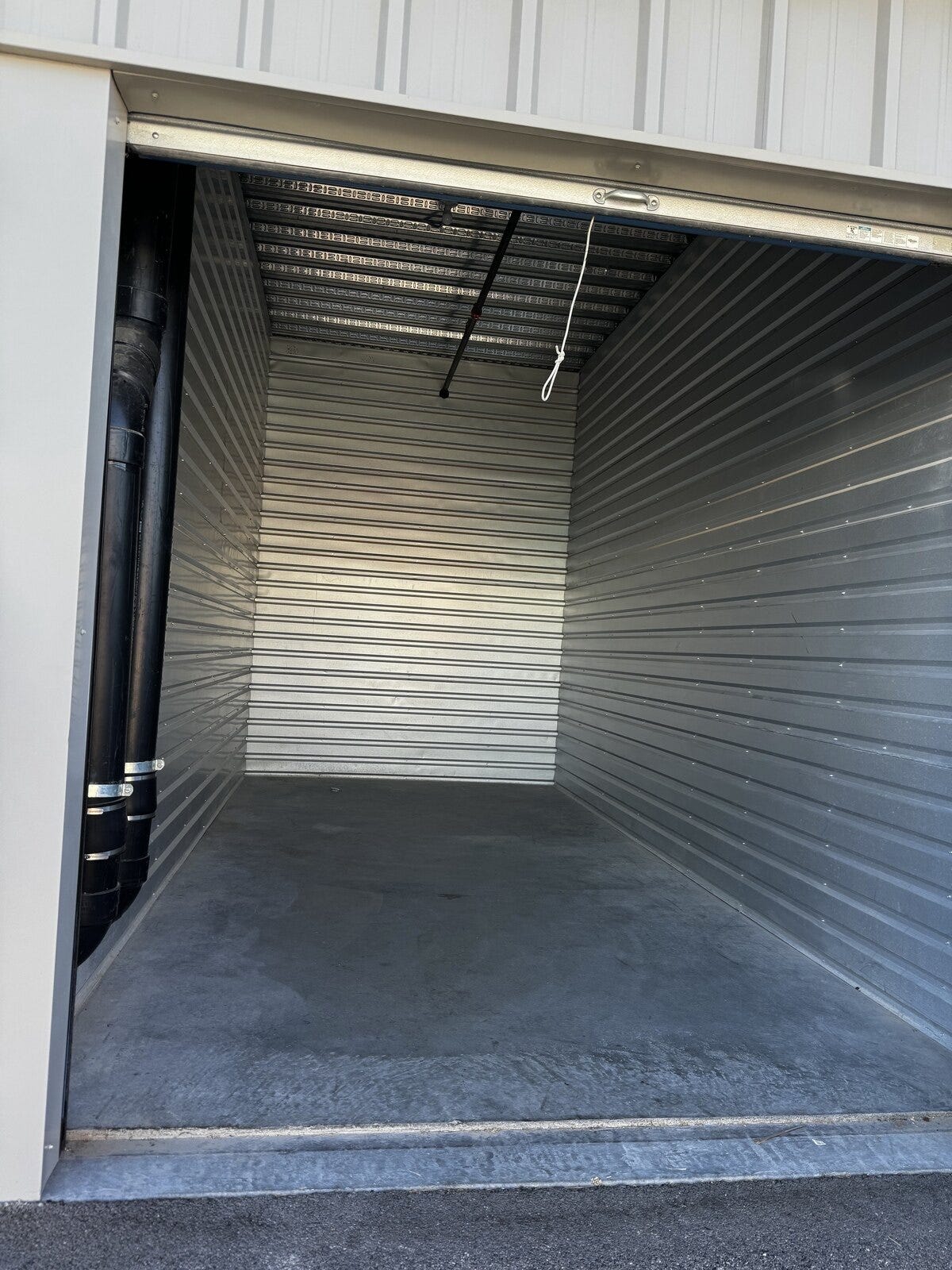
A friend from my early days in the US texted. We met in a typing class, in a year that started with 19. I didn’t ask him for anything. I told him what I was in town for.
He has two young kids, a full-time job and a side business. He was outside with his truck the next morning anyway. He paid for breakfast, and by 2pm the unit was empty, bar a few boxes. He wouldn’t take money.
So should you ask?
I’m the last person to tell you that. I still didn’t.
All I did was tell him the truth about why I was in town. He did the rest.
You decide.
If someone ever showed up for you without being asked, reply and tell me about them.
Michael